Last week, between walking through grocery store aisles stacked sky-high with gobs of candy and stepping directly on a stray plastic spider ring in my living room, I started wondering how many of us secretly dread the annual social media brawl over Halloween. It arrives like clockwork every late October. It feels like every time I log on to social media, someone is posting five paragraphs on why trick-or-treating is spiritually catastrophic or an “influencer” is saying that dressing up as a pirate somehow cancels out the Nicene Creed. Friends, take a breath (and maybe hide the good chocolate before the kids find it). The Church has already answered this question for centuries through the rhythm of Hallowtide, and Her answer is far more generous than our online arguments.
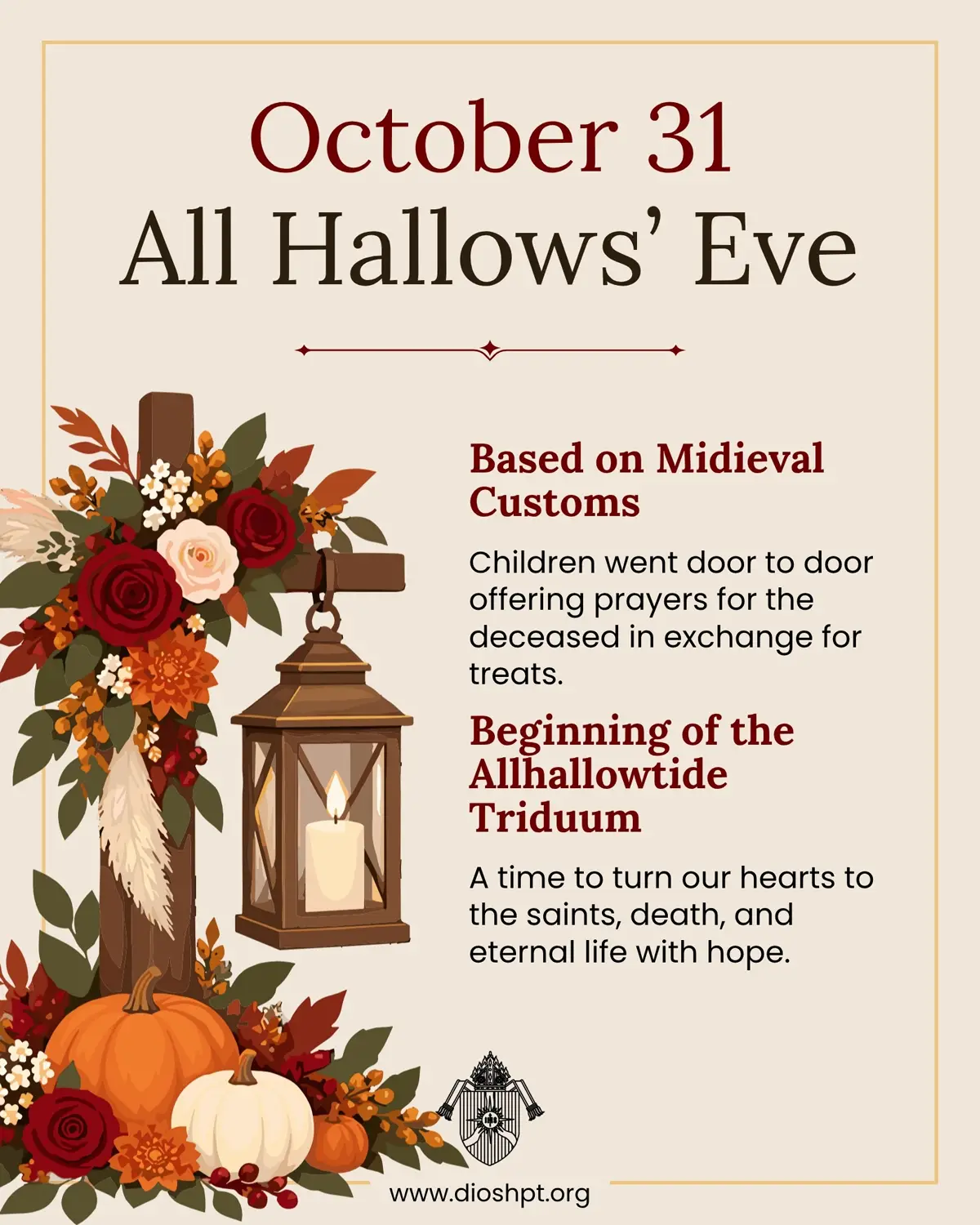
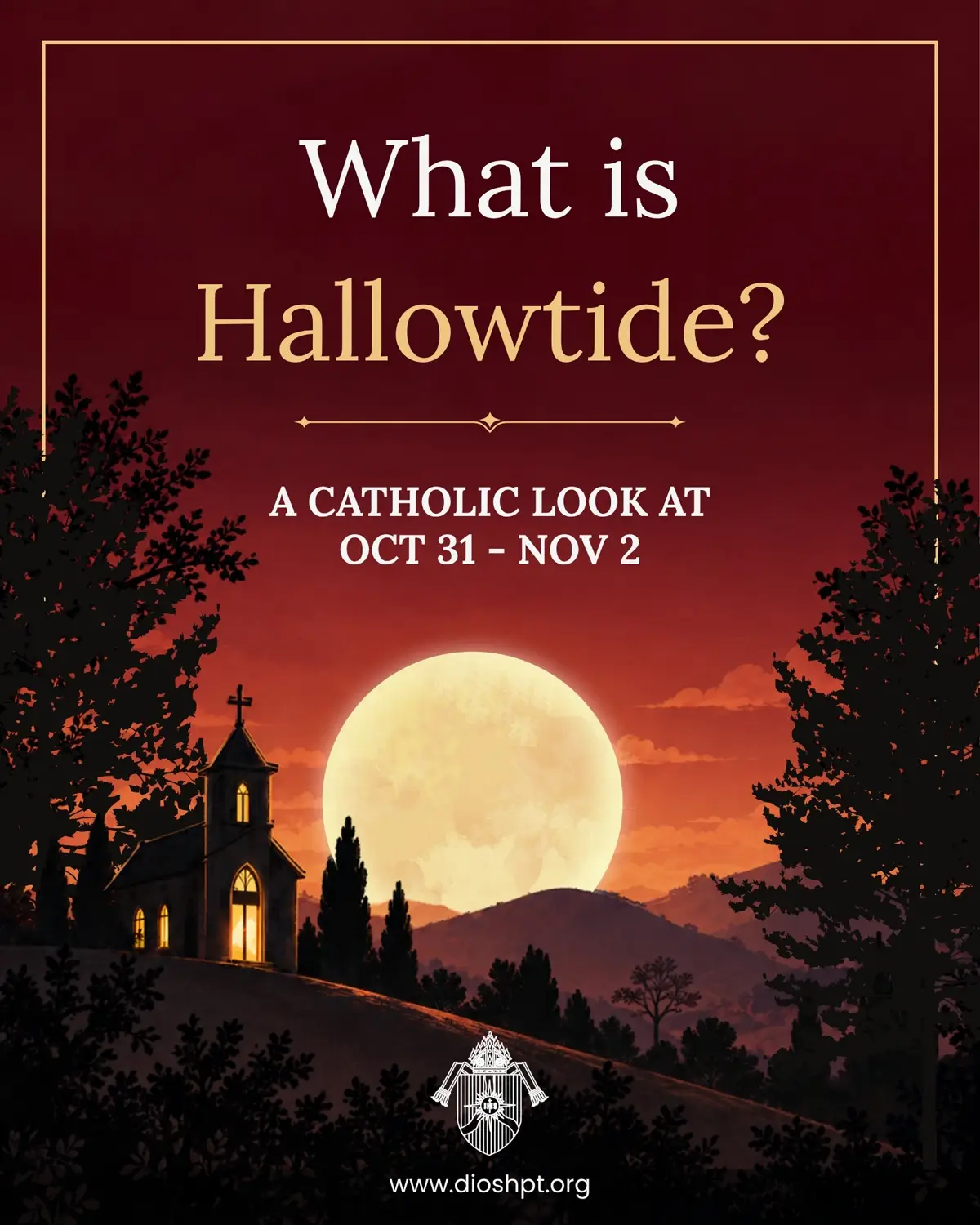
Hallowtide encompasses three consecutive days into a single liturgical movement. It begins on October 31 with All Hallows’ Eve, followed by the feasts of All Saints and All Souls.
At the center of it all is the Communion of Saints. We profess it every week, but these three observances make the mystery concrete: the Church isn't just the people sitting beside you in the pew, but also the Church Suffering in purgatory and the Church Triumphant resting in heaven. It is one single family. When you step out onto a sidewalk crowded with kids begging for mini chocolate bars, you’re standing inside a tradition born from the eve of a major feast. The word Halloween itself is just old phrasing for All Hallows' Eve, the holy vigil before the faithful departed take center stage in our hearts and minds.
Centuries ago, English and Irish villagers went door to door offering prayers for the deceased in exchange for spiced currant pastries called soul cakes. Some modern customs are obviously better than others, but the holy root is there.
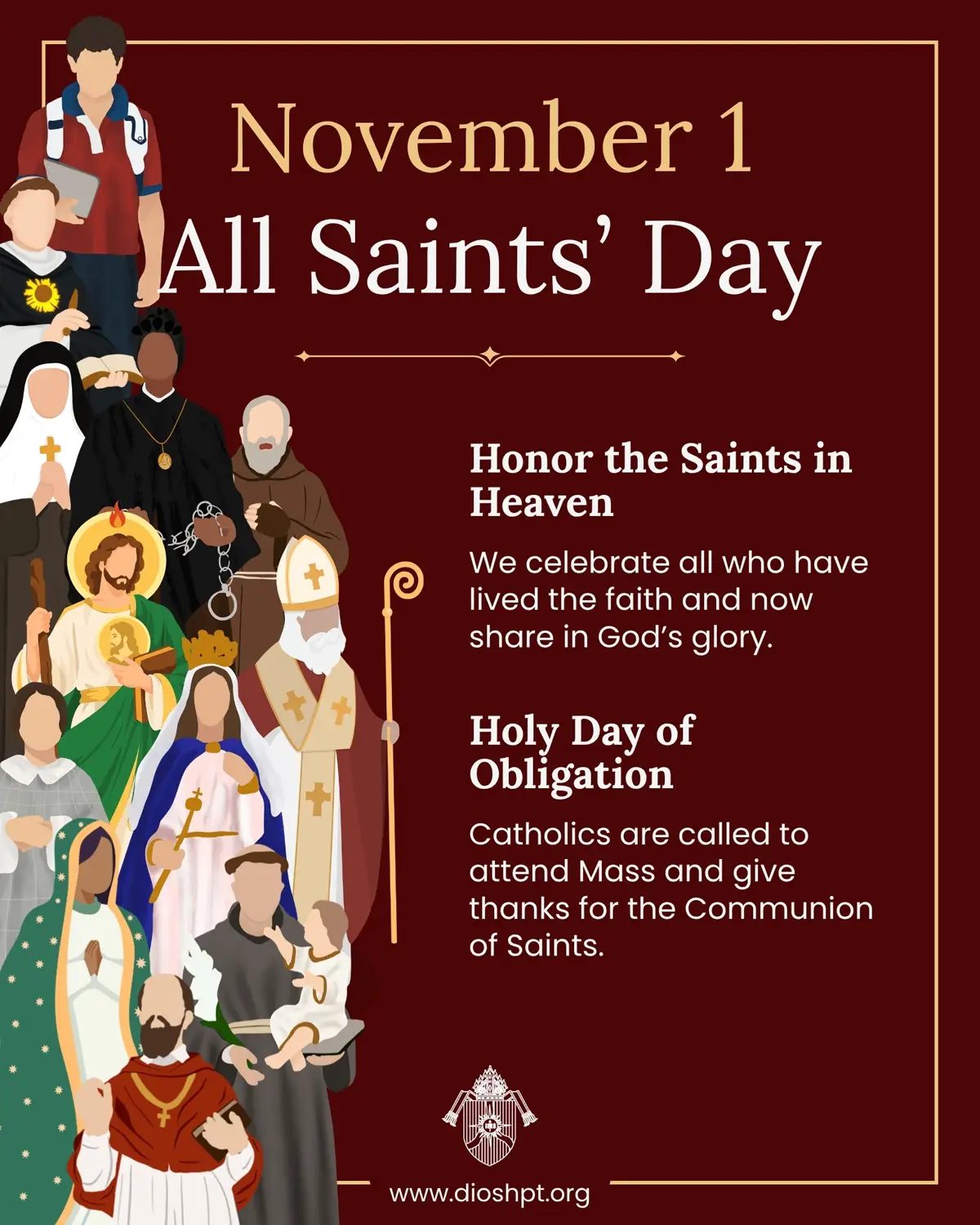
Then comes November 1, when we rejoice in the vast multitude of holy men and women whose lives have served as an example of Christian faithfulness and perseverance for generations, some of whose names haven’t even made it onto an official calendar. It's proof that holiness is possible for ordinary people who survived piles of dirty dishes and sheer exhaustion. It’s a day to attend Mass and thank God for the saints praying you into heaven, and ask them to intercede for your family.
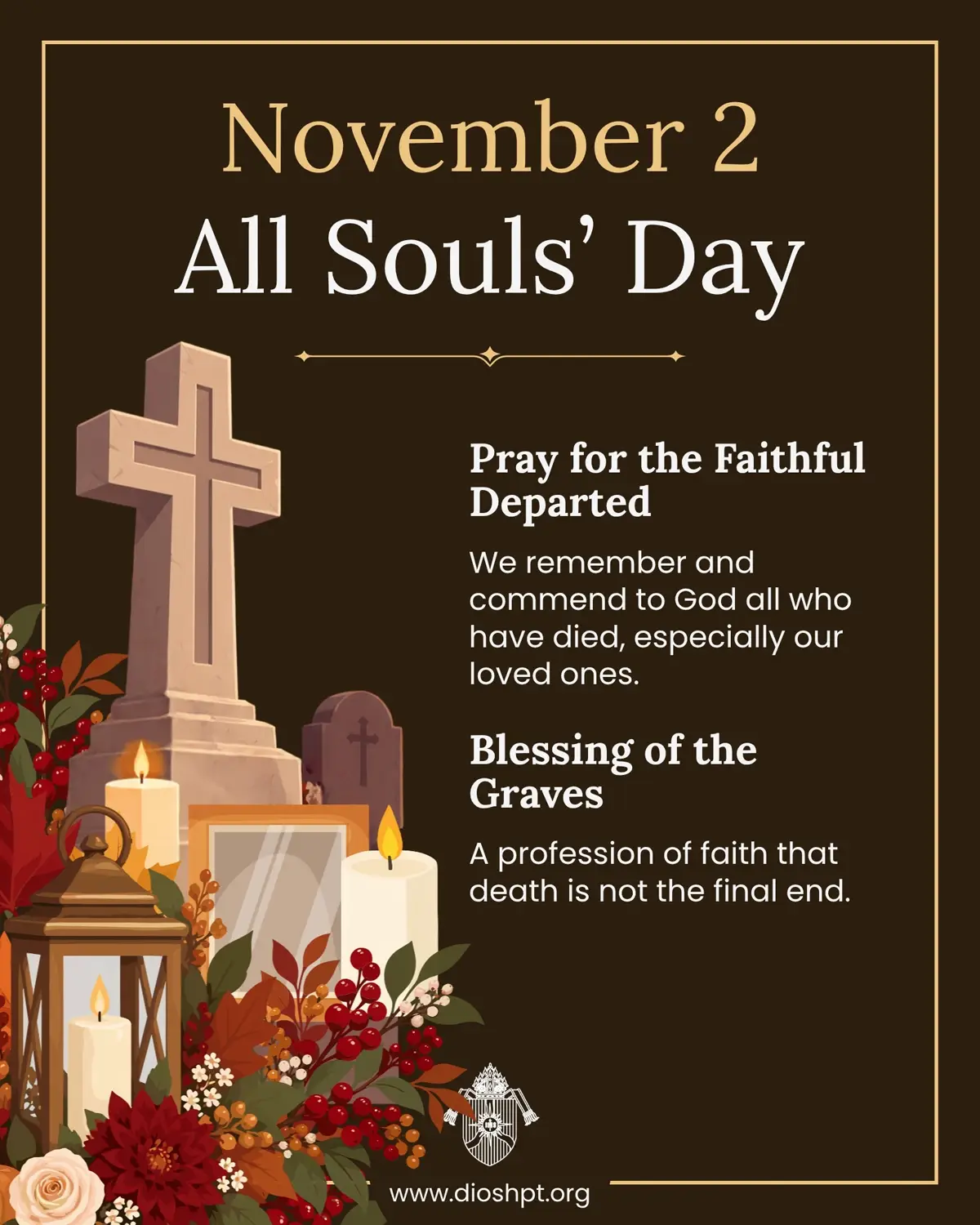
The very next morning, on November 2, the liturgy turns quiet and tender for All Souls’ Day. From the earliest centuries, Christians have remembered their dead by offering the Holy Sacrifice of the Mass. We also carry out the ancient custom of visiting cemeteries to pray for those who have gone before us. We don't pretend our loved ones never existed, nor do we assume they require no further purification. We pray for them. We recite the Requiem Aeternam (known in English as the Eternal Rest prayer), asking for their eternal rest and perpetual light, especially for those forgotten souls who have nobody left on earth to whisper their names.
Death doesn't get the last laugh here. Christ settled that.
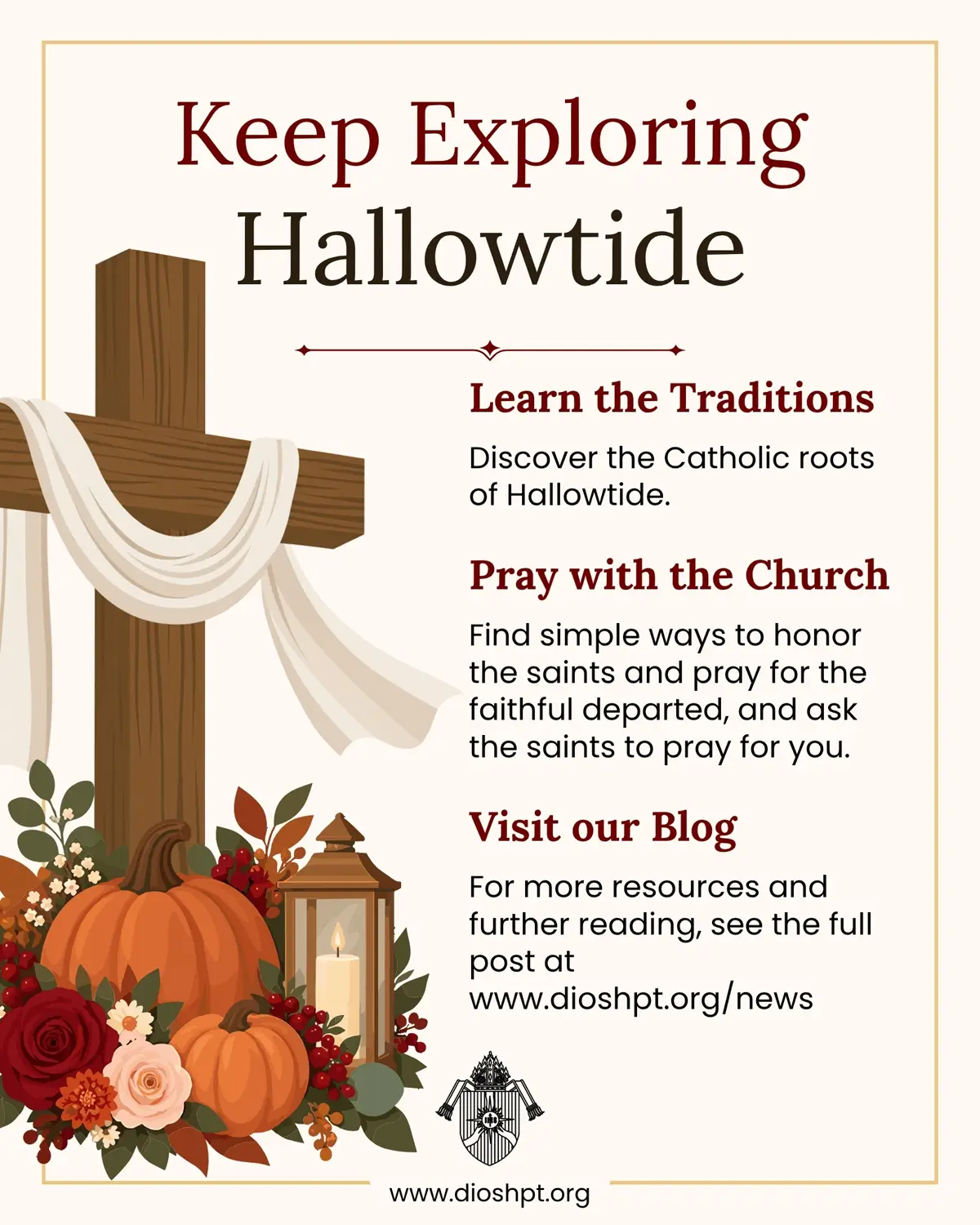
In a culture that often treats Halloween as either harmless fun with no deeper meaning or something to fear outright and avoid at all costs, Hallowtide offers a richer, distinctly Catholic vision: one rooted in remembrance, prayer, and the hope of eternal life. Hallowtide gives us permission to face our mortality without panic, enjoying the neighborhood joy on Friday night while fixing our eyes firmly on eternity by Sunday morning.
This year, perhaps we can reclaim these days a little more intentionally. Let us enjoy what is good, wholesome, and joyful, while also remembering what the Church is really celebrating: the holiness of the saints, the dignity of every soul, and the promise that in Christ, even death is not the end.
Editorial note: In 2026, November 1 falls on a Sunday. The All Saints’ Mass fulfills the Sunday obligation; it does not create a second Mass obligation.